
From the blog
Skin Gummies vs. Collagen Powder: What Each One Really Contains
Skin gummies are usually vitamin products led by biotin, with small amounts of vitamins C, A and E and zinc. Collagen powders contain grams of collagen protein and often few vitamins. They do different jobs, so read the panel and pick based on what you actually want to take.
Two products, two different ideas
Every page, every journal post, the bottle facts and the ingredients go through review by Dr. Audrey Rutherford, MD before they ship. Walk down a beauty aisle and you will see two big groups of skin supplements. One is gummies, often labeled for “hair, skin and nails.” The other is collagen, usually a powder you stir into coffee or a smoothie.
They sit on the same shelf, and the marketing can sound the same. But they are built on different ideas. Most gummies supply vitamins that help your body do its own building. Collagen powders supply protein pieces that the body can use as raw material.
Knowing which is which saves money and disappointment. It also helps you spot products whose names promise one thing while the panel shows another.
What is in a typical skin gummy
Most skin gummies are led by biotin, often at 2,500 to 10,000 mcg. Around it you usually find smaller amounts of vitamin C, vitamin A, vitamin E, zinc and some B vitamins. The base is sugar or sugar alcohols with gelatin or pectin, plus flavor and color.
Gelagen is a good example of the type. Two gummies give 5,000 mcg of biotin, 20 mg of vitamin C, 630 mcg of vitamin A, 7.4 mg of vitamin E, 2.7 mg of zinc and eight more nutrients. It contains no collagen, even though the name sounds like it.
| Nutrient | Gelagen (2 gummies) | % DV |
|---|---|---|
| Biotin | 5,000 mcg | About 16,667% |
| Vitamin A | 630 mcg | 70% |
| Vitamin C | 20 mg | 22% |
| Vitamin E | 7.4 mg | 49% |
| Zinc | 2.7 mg | 25% |
| Collagen | None | — |
What is in a typical collagen powder
Collagen powders are mostly one thing: hydrolyzed collagen, also called collagen peptides. It is collagen protein broken into small pieces, usually from cow hide, fish skin or chicken. A typical scoop gives 2.5 to 10 grams.
Many powders contain nothing else. Some add vitamin C or hyaluronic acid. The key point is that collagen is a protein. Your gut breaks it down into amino acids and small peptides, and your body then uses those wherever it needs them.
Collagen powders are not vegan, since collagen only comes from animals. Some are flavored; many are plain and mix into drinks.
How each one is supposed to work
| Feature | Skin gummy | Collagen powder |
|---|---|---|
| Main idea | Supply vitamins used to build tissue | Supply protein raw material |
| Lead ingredient | Biotin | Collagen peptides |
| Collagen content | Usually none | Several grams |
| Vitamin C | Often a small amount | Sometimes added |
| Form | Chewable gummy | Powder in a drink |
| Typical dose | 1–2 gummies | 1 scoop |
| Lab-test caution | Yes, if biotin is high | No |
Vitamin C deserves a special mention. Your body cannot make collagen without it (NIH Office of Dietary Supplements, “Vitamin C: Fact Sheet for Health Professionals”). So both approaches connect to collagen in some way: gummies through vitamins that help your body make its own, powders through the protein itself.
What the evidence says
For biotin, the NIH describes evidence for hair, skin and nail benefits in people who are not low as limited to a few case reports and small studies (NIH Office of Dietary Supplements, “Biotin: Fact Sheet for Health Professionals”). For zinc, the role in wound healing is well established (NIH Office of Dietary Supplements, “Zinc: Fact Sheet for Health Professionals”), but that does not mean extra zinc improves healthy skin.
Collagen powders have a growing set of studies, many funded by makers, with mixed quality. We have not reviewed them here, and we will not quote study results we have not checked. If you are weighing a collagen product, look for studies on that exact product and dose.
The honest view: neither type is proven to transform healthy skin. Both are low-risk for most adults. Diet, sunscreen and sleep matter more.
Cost per day
| Product | Rough cost per day | Notes |
|---|---|---|
| Gelagen, 6-bottle pack | $1.63 | $49 a bottle, 30 days each |
| Gelagen, 2-bottle pack | $2.63 | $79 a bottle |
| Typical collagen powder | Varies widely | Depends on scoop size and brand |
When comparing, work out the cost for the dose you would actually take, not the price per tub or bottle.
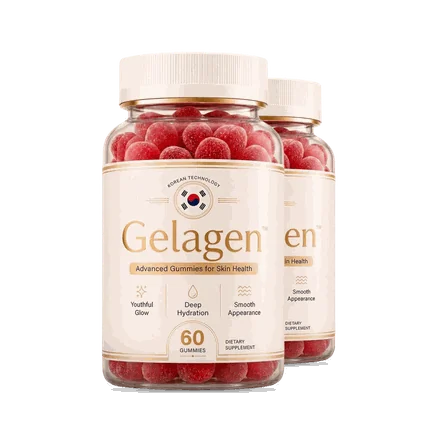
Want a biotin-led gummy with every amount listed? See Gelagen packs from $49 a bottle.
Check today’s priceHow to choose
- If you want collagen itself, buy a collagen product. A gummy named to sound like collagen is not the same.
- If you want an easy daily vitamin habit focused on biotin, a skin gummy fits.
- If you have blood tests often, a high-biotin gummy needs extra care.
- If you avoid animal products, skip collagen and check gummy bases for gelatin.
- Whichever you pick, give it 60 to 90 days and take photos to compare.
Some people take both: a collagen scoop in the morning coffee and a vitamin gummy later. If you do, add up the vitamins across both labels.
Reading the two labels side by side
The fastest way to tell the two apart is the back label. A collagen powder lists collagen peptides in grams near the top. A skin gummy lists vitamins in milligrams and micrograms, often with biotin at the top of the % DV column.
Watch the serving size too. A collagen scoop may be 10 to 20 grams of powder. A gummy serving is usually two pieces. That difference alone tells you they are not the same kind of product.
| Label clue | Skin gummy | Collagen powder |
|---|---|---|
| Main unit | mcg and mg | Grams |
| Top line | Often biotin | Collagen peptides |
| Serving | 1–2 gummies | 1 scoop |
| Other ingredients | Sugar, gelatin or pectin, color | Often just collagen, maybe flavor |
If a product name suggests collagen but the panel shows only vitamins, trust the panel. That is the rule we follow on this site.
Who might choose each one
- A skin gummy suits someone who wants an easy vitamin habit and is fine with a biotin-led formula.
- A collagen powder suits someone who already makes a morning drink and wants collagen protein itself.
- Neither suits someone expecting a fast change, or who needs medical care for a skin or hair condition.
There is no wrong answer between the first two. There is only a wrong expectation.
The bottom line
Skin gummies and collagen powders are different products. Gummies like Gelagen are vitamin supplements led by biotin. Collagen powders are protein supplements. Read the panel, match it to your goal, and be wary of names that promise what the label does not show.
Sources
- NIH Office of Dietary Supplements. Vitamin C: Fact Sheet for Health Professionals. NIH ODS, current revision. Checked September 30, 2026.
- NIH Office of Dietary Supplements. Biotin: Fact Sheet for Health Professionals. NIH ODS, current revision. Checked September 30, 2026.
- NIH Office of Dietary Supplements. Zinc: Fact Sheet for Health Professionals. NIH ODS, current revision. Checked September 30, 2026.
- U.S. Food and Drug Administration. Daily Value on the Nutrition and Supplement Facts Labels. FDA, current page. Checked September 30, 2026.
Questions on this topic
More answers on the full FAQ page.
Does Gelagen contain collagen?
No. Its 13 listed nutrients are vitamins, minerals and inositol. Collagen is not listed.
Can I take a skin gummy and collagen together?
Most healthy adults can. Add up the vitamins across both products and check with a clinician if you take medicine.
Which works faster?
Neither has a proven fast effect. Plan on 60 to 90 days to judge either one.
Is collagen powder vegan?
No. Collagen comes from animal sources such as cow, fish or chicken.
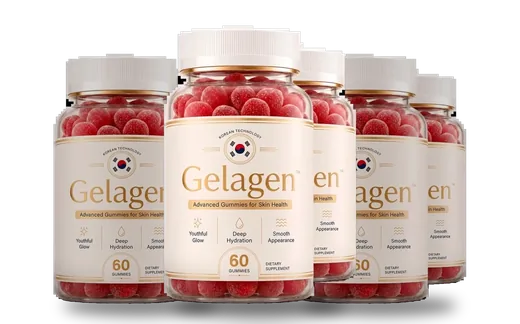
Ready to try Gelagen?
Packs start at $49 a bottle on the 6-bottle order. Every order carries the 60-day money-back guarantee. Questions first? The contact page lists both desks and what each one handles.
Sold by the Gelagen U.S. shop, an authorized Gelagen retailer. This site earns when you buy.Keep reading
Biotin 5,000 mcg explained
What 5,000 mcg of biotin means: how it compares with the 30 mcg reference, why labels show…
Read more →Biotin and blood tests
How high-dose biotin can skew thyroid, vitamin D and troponin tests, why it happens, and e…
Read more →Gelagen ingredients
All 13 nutrients, amounts and what each one does.
Read more →